
Fix Water Damage Toronto
Water extraction matched to the surface, not a one-size approach
Hardwood, carpet, tile and concrete each hold and release standing water differently. Extraction equipment and technique are chosen accordingly.
Email Us for a Free Estimate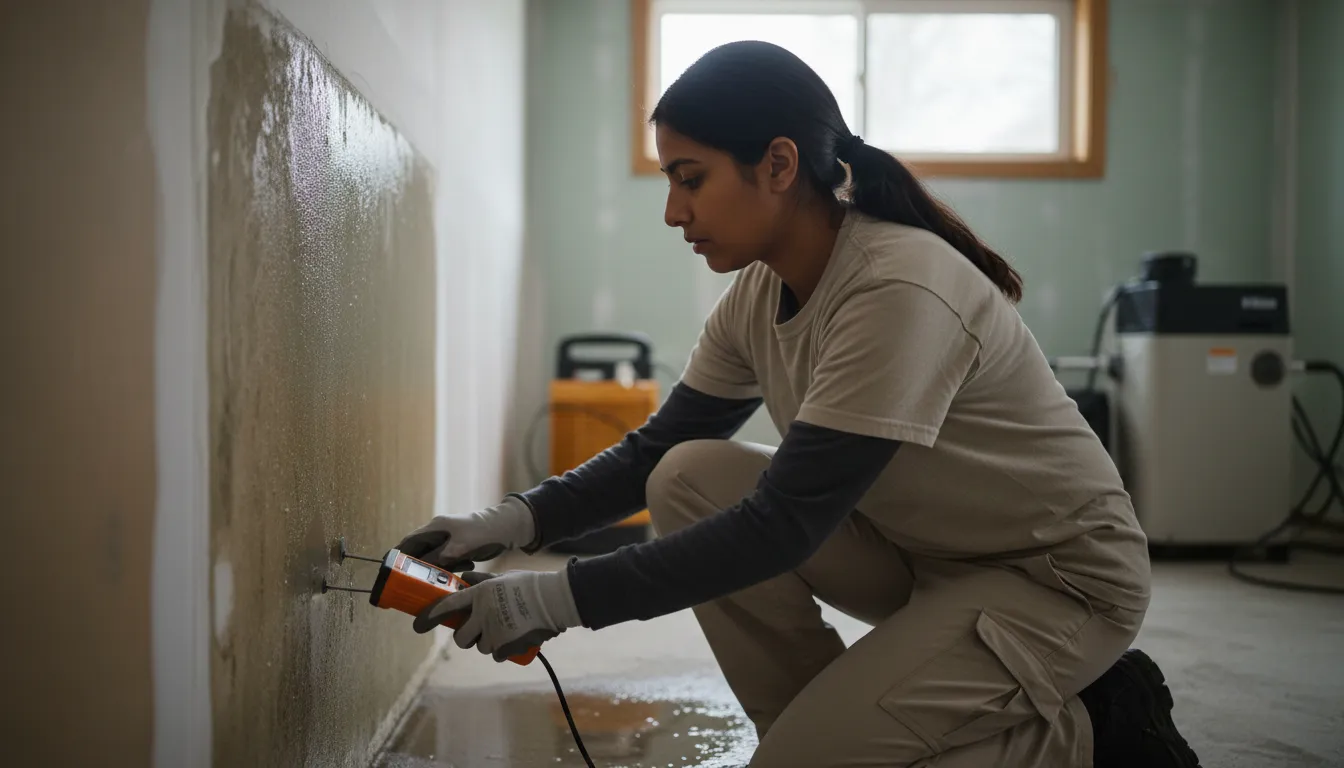
Why extraction technique varies by surface and building type
Removing standing water is only the first part of the job; how it's removed affects how much moisture remains trapped underneath.
Engineered and solid hardwood
Common in Toronto's older east-end and midtown homes, hardwood floors can cup or crown if water is left standing even briefly. Extraction needs to happen quickly, followed by controlled drying to avoid over-drying and further warping.
Carpet and carpet pad over concrete slab
In basements across the GTA, carpet pad acts like a sponge sitting on an unheated slab. Standard extraction wands remove surface water, but weighted extraction tools are often needed to draw water out of the pad itself.
Below-grade concrete in older foundations
Basements in homes with parged or rubble foundations can have uneven, porous concrete that holds moisture in surface pores even after visible water is gone, requiring longer extraction dwell time.
Condo unit flooring over concrete decks
In condo towers along the waterfront and downtown corridors, engineered flooring sits over a concrete deck with sound-dampening underlayment, which can trap water similarly to carpet pad and needs targeted extraction to avoid trapped moisture.
Incomplete extraction undermines the whole drying process
If standing water isn't fully removed before drying equipment is deployed, dehumidifiers end up working against a continuous moisture source rather than a fixed amount of trapped moisture. This extends drying time unnecessarily and increases the risk that materials like carpet pad or underlayment retain moisture long enough to support mould growth.
Match the tool to the surface, then verify
We select extraction equipment — truck-mount units for high-volume jobs, portable extractors for tighter spaces, weighted tools for carpet pad — based on the surface and volume involved. Once visible water is removed, we check residual moisture before moving into the drying phase, so drying time isn't wasted on water that should have been extracted.
Water extraction process
Extraction is the step that determines how efficient the rest of the drying process will be.
- 1
Surface and volume assessment
We assess the flooring type and volume of standing water to select appropriate extraction equipment.
- 2
Primary extraction
Standing water is removed using truck-mount or portable extraction units.
- 3
Secondary extraction for absorbent materials
Carpet pad, underlayment and similar materials are extracted with weighted or specialized tools to draw out trapped water.
- 4
Residual moisture check
Meters confirm how much moisture remains before drying equipment is deployed.
- 5
Handoff to structural drying
Once extraction is complete, air movers and dehumidifiers are placed to finish the drying process.
Why choose us for water extraction
Extraction quality sets the pace for everything that follows.
Surface-matched equipment
We choose extraction tools based on flooring type, not a single default approach.
Licensed & insured
Extraction work is carried out under appropriate licensing and insurance coverage.
Attention to absorbent materials
Carpet pad and underlayment receive dedicated extraction rather than being left to dehumidifiers alone.
Volume-appropriate units
Truck-mount and portable extraction equipment are selected based on the scale of the job.
Responsive by email
Requests are reviewed and prioritized by severity.
Verified handoff to drying
Residual moisture is checked before moving to the drying phase.
Water extraction questions
How quickly does standing water need to be extracted?
As soon as possible. Hardwood can begin cupping within hours, and carpet pad continues absorbing water the longer it sits, so prompt extraction limits how much material is affected.
Is extraction the same as drying?
No. Extraction removes bulk standing water; drying uses air movement and dehumidification to remove the remaining moisture held within materials. Extraction comes first.
Can carpet be saved after extraction?
Often, if extraction happens quickly and the water was clean, carpet itself can sometimes be salvaged, though carpet pad is less often recoverable.
Do you handle extraction in condo units?
Yes, condo flooring assemblies over concrete decks require their own extraction approach, and we adjust technique accordingly.
How do I request a quote for water extraction?
Email us with your address and a description of the flooring affected and how much standing water is present, and we'll follow up with next steps.
Standing water on your floors? Email us now
Tell us your address and flooring type so we can advise on next steps.
Email Us for a Free EstimateWeather drives water-damage risk — email us if you find water.
Fall water-damage conditions in Toronto, ON
Fall rain around Toronto, ON tests gutters, sump pumps, and foundations; catching leaks and seepage early prevents the slow water damage and mold that surface over winter.
Proudly Serving Toronto, ON
Local, on-time service throughout Toronto and the surrounding area.