
Fix Water Damage Toronto
Sewage cleanup handled as the Category 3 loss it is
Sewage backups are treated differently from clean water losses at every stage, from PPE to disposal, because the contamination risk changes what's safe to dry versus what must be removed.
Email Us for a Free Estimate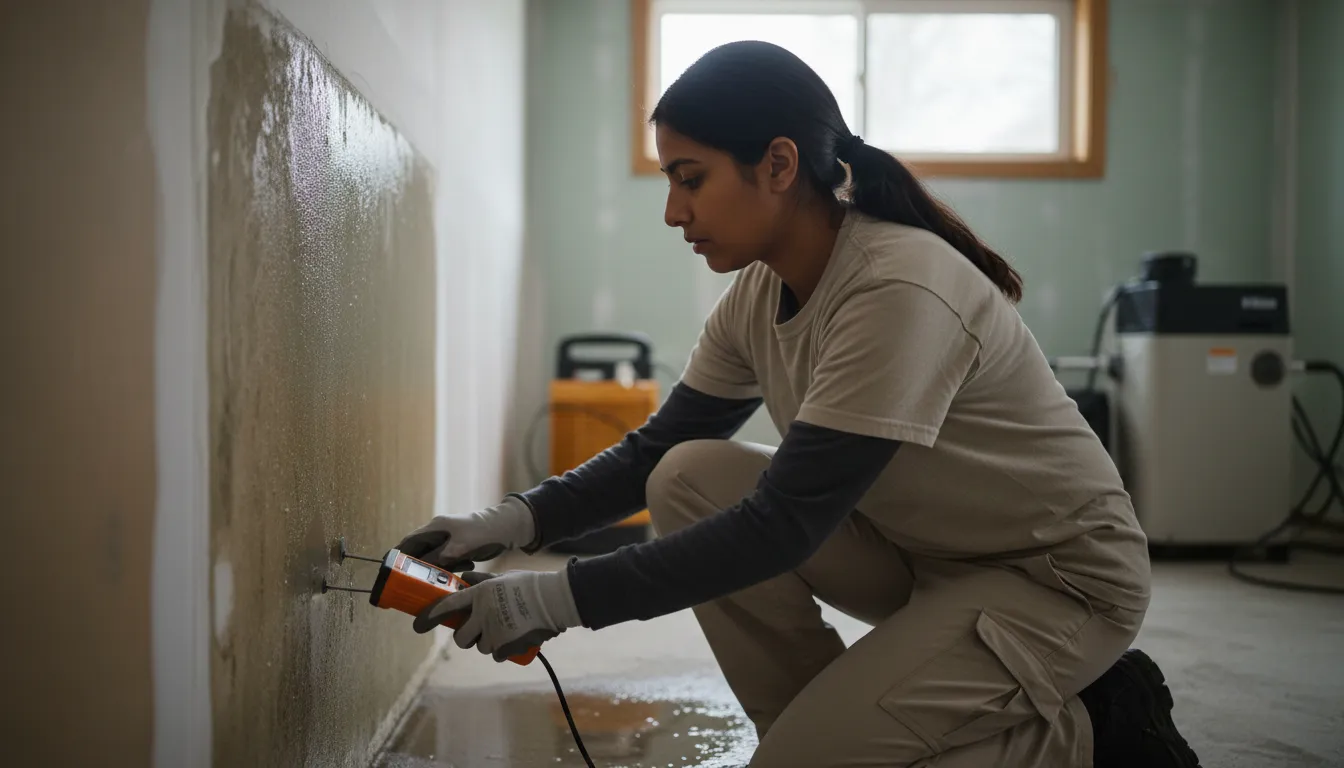
Why sewage backups are common in older GTA sewer systems
Toronto's sanitary infrastructure includes a mix of combined and separated sewer systems depending on the neighbourhood, and each has its own failure pattern.
Combined sewer surcharging
Older parts of Toronto, including sections of the downtown core and east end, still run combined sewers that carry both stormwater and sanitary waste. During intense rainfall, these systems can surcharge, pushing wastewater back up through basement drains and floor traps.
Tree root intrusion in clay sewer laterals
Many mid-century GTA homes have clay tile lateral sewer lines running from the house to the municipal main. Tree roots seek out the moisture at pipe joints and can crack or block the line over years, leading to slow drains and eventual backups.
Aging cast iron and clay building drains
Homes from the postwar building boom often still have original cast iron or clay drain lines, which corrode or collapse internally over time, narrowing the pipe and increasing the odds of a backup during peak household use.
Category 3 water carries real health risk
Sewage contains bacteria, viruses and other contaminants that pose a genuine health risk if handled incorrectly. Porous materials that come into contact with sewage — carpet, carpet pad, drywall below the flood line, and often insulation — generally cannot be safely cleaned and dried; they need to be removed and disposed of. Treating a sewage backup like a clean water loss risks leaving contamination behind in materials that look fine on the surface.
Containment, removal, then sanitizing
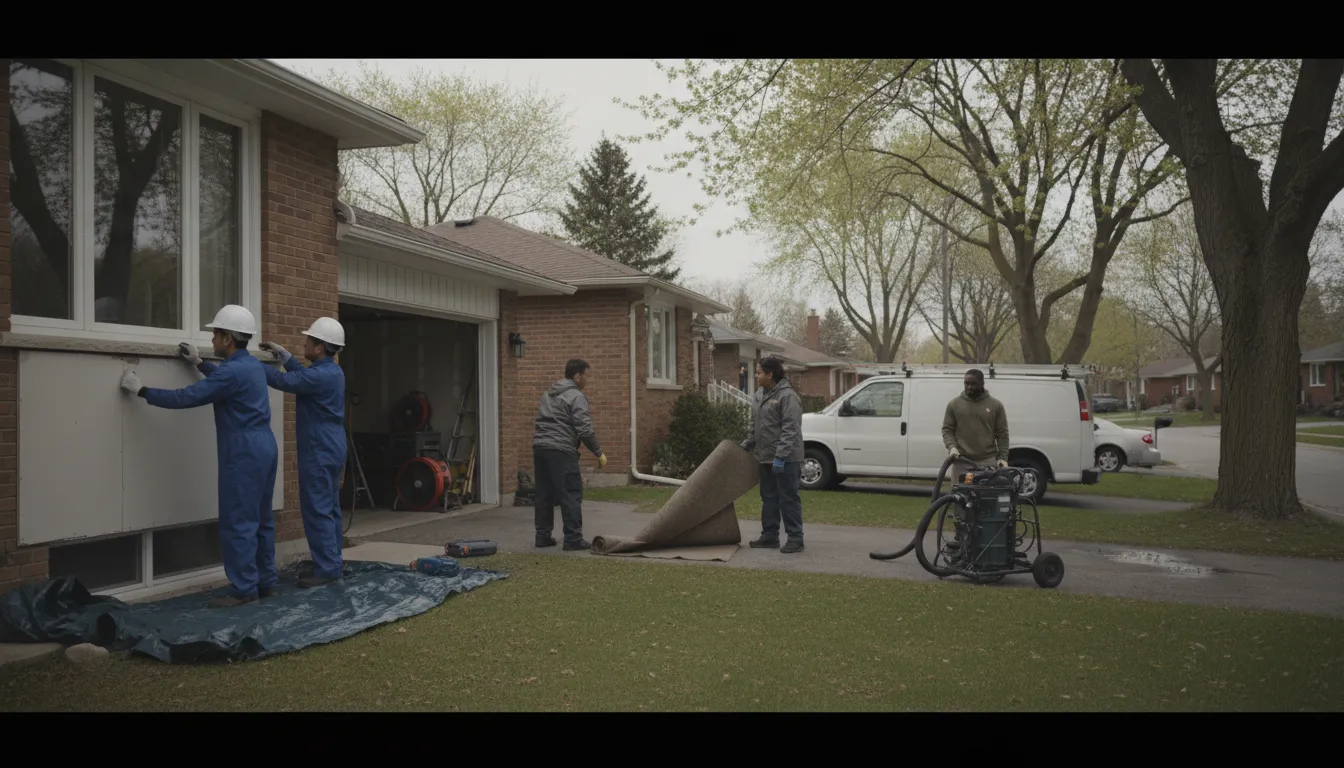
We establish containment to limit the spread of contamination, remove porous materials that can't be safely cleaned, and sanitize the affected structure before drying. Equipment used in a Category 3 loss is handled separately from equipment used on clean water jobs, and disposal of contaminated materials follows proper handling procedures.
Our sewage cleanup process
Each step accounts for the contamination risk specific to Category 3 water.
- 1
Containment
The affected area is contained to limit contamination spreading to unaffected parts of the home.
- 2
Extraction and removal
Standing sewage is extracted, and porous materials that can't be safely cleaned are removed and disposed of.
- 3
Sanitizing
Remaining hard surfaces are cleaned and treated with appropriate antimicrobial products.
- 4
Structural drying
The area is dried using dedicated equipment, monitored with moisture readings.
- 5
Verification
The space is checked before equipment is removed and the job is closed out.
Why choose us for sewage cleanup
Sewage cleanup requires discipline around what can be salvaged and what must go.
Category 3 trained approach
We follow containment and disposal steps appropriate to contaminated water losses.
Licensed & insured
Sewage cleanup is performed under appropriate licensing and insurance coverage.
Dedicated equipment handling
Equipment used on contaminated jobs is handled separately from clean water equipment.
Familiar with GTA sewer infrastructure
We understand common backup causes tied to the age and type of sewer system in different neighbourhoods.
Prompt email response
Requests are reviewed and prioritized by severity.
Documented process
You receive a written record of containment, removal and sanitizing steps taken.
Sewage cleanup questions
Is sewage cleanup handled differently from a regular water leak?
Yes. Sewage is Category 3 water, meaning it's treated as contaminated. That changes what materials can be salvaged and what containment and PPE are used during cleanup.
Can carpet be cleaned after a sewage backup?
Generally no. Carpet and carpet pad that have been in contact with sewage typically need to be removed rather than cleaned, due to the contamination risk.
What causes recurring sewage backups in older Toronto homes?
Common causes include tree root intrusion in clay lateral lines, aging cast iron drains narrowing over time, and combined sewer surcharging during heavy rainfall in older parts of the city.
Do you handle disposal of contaminated materials?
Yes, removed materials are disposed of following appropriate handling procedures for contaminated waste.
How do I request a quote for sewage cleanup?
Email us with your address and a description of the backup, including when it started, and we'll follow up with next steps.
Sewage backup? Email us for next steps
Include your address and a short description so we can advise on immediate precautions.
Email Us for a Free EstimateWeather drives water-damage risk — email us if you find water.
Fall water-damage conditions in Toronto, ON
Fall rain around Toronto, ON tests gutters, sump pumps, and foundations; catching leaks and seepage early prevents the slow water damage and mold that surface over winter.
Proudly Serving Toronto, ON
Local, on-time service throughout Toronto and the surrounding area.